Battle Royale (2000): A Dystopian Tale of Survival, Youth

masai-land-rover.com – Battle Royale (2000), directed by Kinji Fukasaku, is a controversial and groundbreaking Japanese film that has become a cult classic in the realm of dystopian cinema. Based on the novel by Koushun Takami, the film presents a chilling and brutal vision of a future Japan where high school students are forced to participate in a deadly game of survival. In a society grappling with youth rebellion and disillusionment, Battle Royale offers a searing commentary on the consequences of government control, societal breakdown, and the loss of innocence.

The film’s premise, which pits students against each other in a government-mandated battle to the death, was shocking and provocative, sparking debates around its themes of violence, morality, and the treatment of young people. Despite its initial controversy, Battle Royale gained widespread recognition for its intense action, dark humor, and thought-provoking social commentary, becoming an influential work that paved the way for later films and media exploring similar dystopian themes.

Plot Overview: A Deadly Game of Survival

Set in a near-future Japan, Battle Royale unfolds in a society where youth delinquency has reached a crisis point. In response to the growing problem, the government institutes the “Battle Royale Program,” a brutal and authoritarian measure where a class of high school students is randomly selected each year and sent to a remote island, where they are forced to fight one another until only one remains alive.

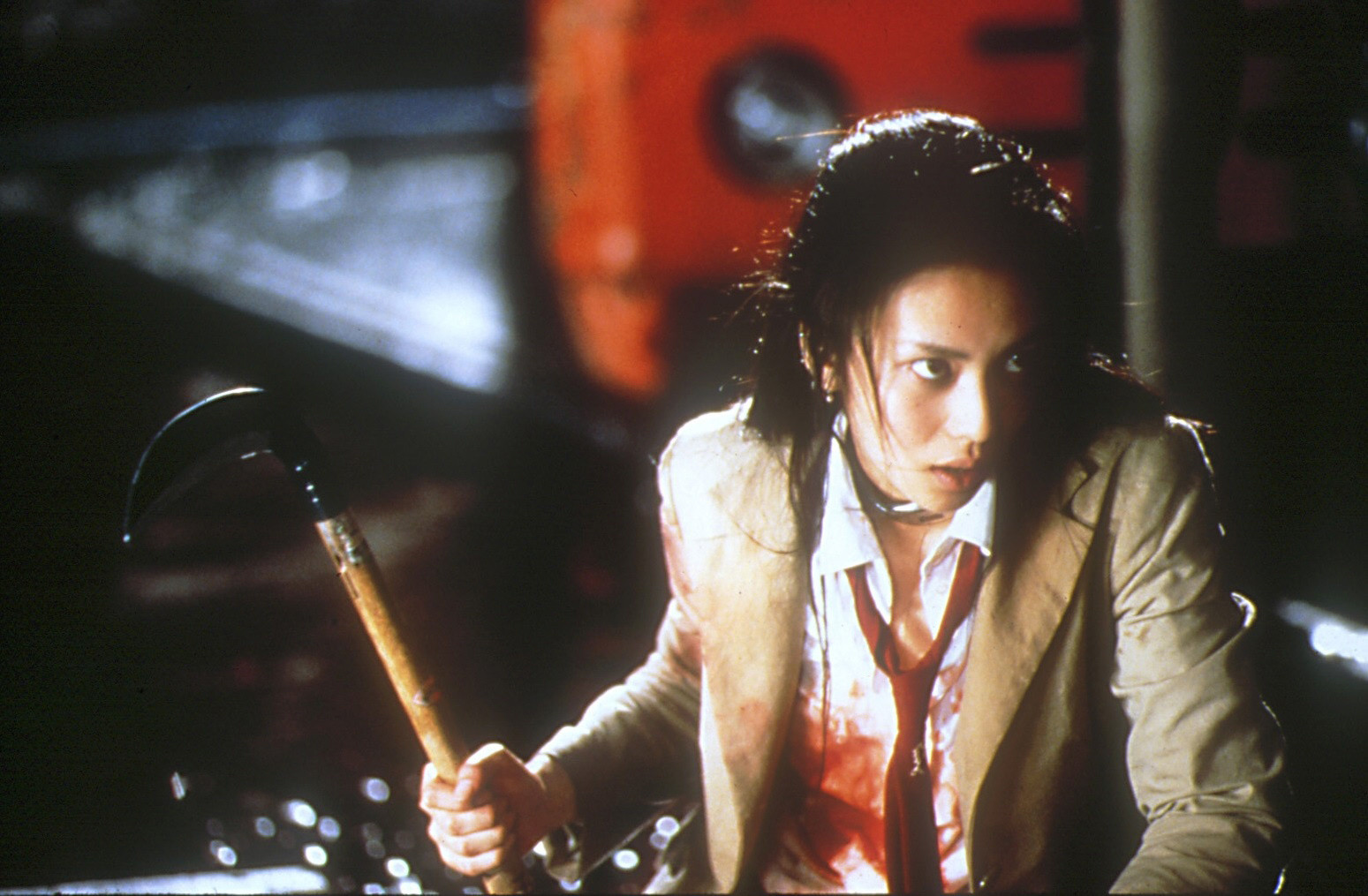
The film begins with a group of students being informed of their participation in the program. They are given a map, a weapon, and a collar that will explode if they attempt to escape or break the rules. The students are then set loose in a vast, unforgiving landscape, where alliances are formed and broken, trust is betrayed, and the fight for survival becomes increasingly violent and desperate.

Among the students is Shuya Nanahara (Tatsuya Fujiwara), a teenage boy who struggles to reconcile his desire to survive with his growing horror at the brutality of the game. He is joined by Noriko Nakagawa (Aki Maeda), a classmate who becomes one of his key allies. Throughout the course of the film, Shuya and Noriko form a tenuous bond with other students, but the violent circumstances of the game force them to make difficult decisions.

The students must contend not only with each other but also with the government’s strict rules, which dictate that only one survivor can emerge from the battle. As the game progresses, the participants are pushed to their physical and emotional limits, and the line between friend and enemy becomes increasingly blurred.

Themes: Violence, Youth, and Societal Control

The Dangers of Governmental Control

One of the central themes of Battle Royale is the exploration of authoritarian control and the lengths a government will go to maintain order. The Battle Royale Program represents a dystopian vision of a society that has become so obsessed with controlling its youth that it is willing to sacrifice their lives to maintain discipline. The government’s power is absolute, and it uses violence as a tool to suppress rebellion and instill fear in the population.

The brutal nature of the Battle Royale game serves as a critique of a system that sees its young people as disposable. The students are forced into a situation where they are dehumanized and treated as mere pawns in a larger, oppressive social order. The film critiques the erosion of individual freedom and the dangers of a government that places its own survival above the well-being of its citizens.

In addition to the governmental control, Battle Royale also explores the psychological effects of living under constant surveillance and fear. The students are watched by a military-like force, and their every move is controlled. This surveillance mirrors the real-world dynamics of authoritarian regimes where citizens are constantly monitored, making it a potent allegory for the dangers of totalitarianism.

Youth and Rebellion

At its core, Battle Royale is also about youth and rebellion. The students, many of whom are disillusioned and angry at the world around them, are forced to confront the harsh reality of their society. The Battle Royale game itself can be seen as a metaphor for the loss of innocence that many young people experience when they are thrust into the harsh, unforgiving realities of adulthood and society.

The film presents a generation of youth that has been betrayed by the very system meant to nurture and guide them. The students’ participation in the game is not voluntary; they are victims of a broken system that sees them as threats to social order. Through their actions and interactions, the film critiques a society that has failed to provide meaningful opportunities for its young people, leaving them to fight for survival in a violent and chaotic world.

The students’ varying responses to the game—from the reluctant and fearful to the vengeful and ruthless—reflect the different ways in which young people react to oppression. Some attempt to resist, some form alliances, while others simply fight to survive. Through these characters, the film illustrates the emotional and psychological toll of growing up in a society that offers little hope or future.

The Ethics of Survival

Another central theme of Battle Royale is the ethics of survival. As the students are forced to kill one another, the film raises important questions about the morality of violence in the pursuit of survival. The characters are put in an impossible position, where their humanity is tested and their moral compasses are challenged.

The film explores the tension between self-preservation and compassion. Some characters, such as Shuya and Noriko, struggle to maintain their sense of morality in the face of overwhelming violence. Others, like the sadistic Mitsuko (Ko Shibasaki), embrace the game’s brutal rules without hesitation. These contrasting responses to the game highlight the complex nature of human behavior in extreme circumstances and challenge the audience to consider how far one would go to survive.

The ethical dilemmas posed by Battle Royale are not limited to the students within the game. The film also examines the role of the adults—teachers, soldiers, and government officials—in perpetuating the violence. The film critiques a society that encourages brutality and dehumanization, both in its youth and its leaders, and calls into question the ethics of a system that condones such horrors in the name of control and order.

Cinematic Style: A Blend of Action, Satire, and Dark Humor

Fukasaku’s direction in Battle Royale is a striking mix of intense action, dark humor, and social commentary. The film is often violent and chaotic, with the students engaging in bloody confrontations that highlight the brutality of the game. However, the violence is not gratuitous; it serves to underscore the film’s central themes of survival, morality, and societal collapse.

The film’s pacing is fast, and the action is relentless, but there are also moments of reflection and introspection that provide a deeper understanding of the characters and their motivations. Fukasaku uses the chaotic violence of the battle to contrast with the quieter, more emotional moments between the characters, allowing for moments of humanity amidst the carnage.

The film’s tone is also marked by a satirical edge, as it often uses dark humor to comment on the absurdity of the game and the society that created it. The depiction of the teachers and officials who oversee the game, for example, is often exaggerated and absurd, highlighting the contrast between the callousness of the system and the genuine emotions of the students caught in it.

Visually, Battle Royale makes effective use of its island setting, with lush landscapes that juxtapose the violence unfolding within them. The cinematography, by Naoki Kita, employs a mix of wide shots and close-ups to capture both the vastness of the environment and the emotional intensity of the characters’ experiences.

Legacy and Impact: A Cultural Phenomenon

Upon its release, Battle Royale sparked intense debate and controversy, with critics and audiences alike grappling with its depiction of youth violence and the ethical questions it raised. Despite—or perhaps because of—its provocative nature, the film became a box office success in Japan and garnered a devoted international fanbase.

Battle Royale had a significant cultural impact, influencing many subsequent films, television shows, and books that explored similar themes of dystopian societies, government control, and youth rebellion. Its blend of action, horror, and social commentary set a new standard for genre films, inspiring works like The Hunger Games series and numerous other survival-based narratives in both film and literature.

The film’s impact extended beyond cinema, as it became a cultural touchstone for discussions about violence, youth, and societal structures. Its dark, thought-provoking story continues to resonate with audiences around the world, and its influence can be seen in the many works that have followed in its wake.

Conclusion: A Provocative, Thought-Provoking Exploration of Society and Survival

Battle Royale (2000) is a brutal, thought-provoking film that explores the dark side of society, youth, and survival. Through its depiction of a government-enforced battle to the death, the film critiques authoritarianism, the loss of innocence, and the ethical dilemmas posed by extreme circumstances. With its fast-paced action, dark humor, and powerful social commentary, Battle Royale remains a groundbreaking and influential work in the dystopian genre, offering a chilling reminder of the dangers of control, the complexities of survival, and the brutal reality of growing up in an unforgiving world.
You Are My Sunshine: A Tale of Love, Loss, and Resilience

masai-land-rover.com – “You Are My Sunshine” (너는 내 운명, Neoneun Nae Unmyeong, literally “You Are My Destiny”), a 2005 South Korean romantic drama film directed by Park Jin-pyo, is a deeply emotional and often heartbreaking story of unwavering love and devotion amidst hardship. The film, starring Hwang Jung-min and Jeon Do-yeon, explores themes of love, loss, sacrifice, and the resilience of the human spirit.

A Simple Romance Blossoms in the Countryside

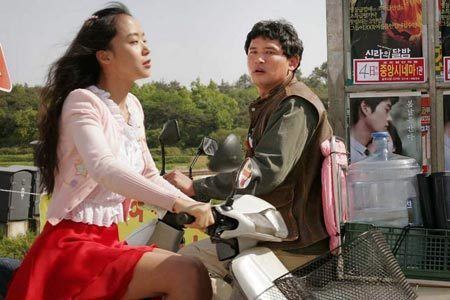
The film begins with the charmingly simple romance between Seok-joong (Hwang Jung-min), a naive and kind-hearted farmer, and Eun-ha (Jeon Do-yeon), a city woman who comes to his rural village. Their connection is immediate and genuine, blossoming amidst the idyllic countryside setting.

Seok-joong, instantly smitten with Eun-ha’s vibrant personality, wholeheartedly dedicates himself to her. They marry quickly, and their early days are filled with joy and laughter. Their love story is initially portrayed with a lighthearted touch, establishing the depth of their bond before the narrative takes a darker turn.

A Devastating Revelation and Unwavering Support

The narrative takes a dramatic shift when Eun-ha is diagnosed with HIV. This devastating revelation tests the strength of their love and commitment. Seok-joong, despite facing societal stigma and fear, remains steadfast in his love and support for Eun-ha.

He faces prejudice from his community and struggles to understand the complexities of the disease, but his unwavering devotion to Eun-ha never falters. He becomes her caregiver, her protector, and her constant source of strength.

Societal Stigma and Personal Struggles

“You Are My Sunshine” doesn’t shy away from depicting the harsh realities of societal stigma surrounding HIV/AIDS. The film portrays the fear, misinformation, and prejudice that Eun-ha faces, highlighting the challenges faced by individuals living with the disease.

The film also explores the personal struggles of both characters as they navigate the emotional and practical challenges of their situation. Eun-ha grapples with feelings of guilt and shame, while Seok-joong struggles to protect her from the negativity of the outside world.

Themes of Love, Sacrifice, and Resilience

“You Are My Sunshine” explores several powerful themes:

  • Unconditional Love: The film portrays a love that is selfless, unwavering, and transcends societal boundaries. Seok-joong’s love for Eun-ha remains steadfast despite the challenges they face, demonstrating the true meaning of unconditional love.
  • Sacrifice and Devotion: The film emphasizes the sacrifices people make for those they love. Seok-joong dedicates his life to caring for Eun-ha, putting her needs above his own.
  • Societal Stigma and Prejudice: The film addresses the important issue of societal stigma surrounding HIV/AIDS, highlighting the need for understanding, compassion, and acceptance.
  • Resilience and Hope: Despite the hardships they endure, both characters demonstrate resilience and maintain a sense of hope. Their love for each other provides them with the strength to overcome adversity.

A Heartrending and Powerful Film

“You Are My Sunshine” is a deeply moving and emotionally charged film that explores the depths of human connection in the face of adversity. The performances of Hwang Jung-min and Jeon Do-yeon are exceptional, delivering powerful and nuanced portrayals of their characters. The film’s poignant story and its exploration of important social issues have resonated with audiences, making it a memorable and impactful cinematic experience. It serves as a powerful reminder of the enduring power of love, sacrifice, and the resilience of the human spirit.

Metamorphosis: Demonic Possession & Familial Breakdown

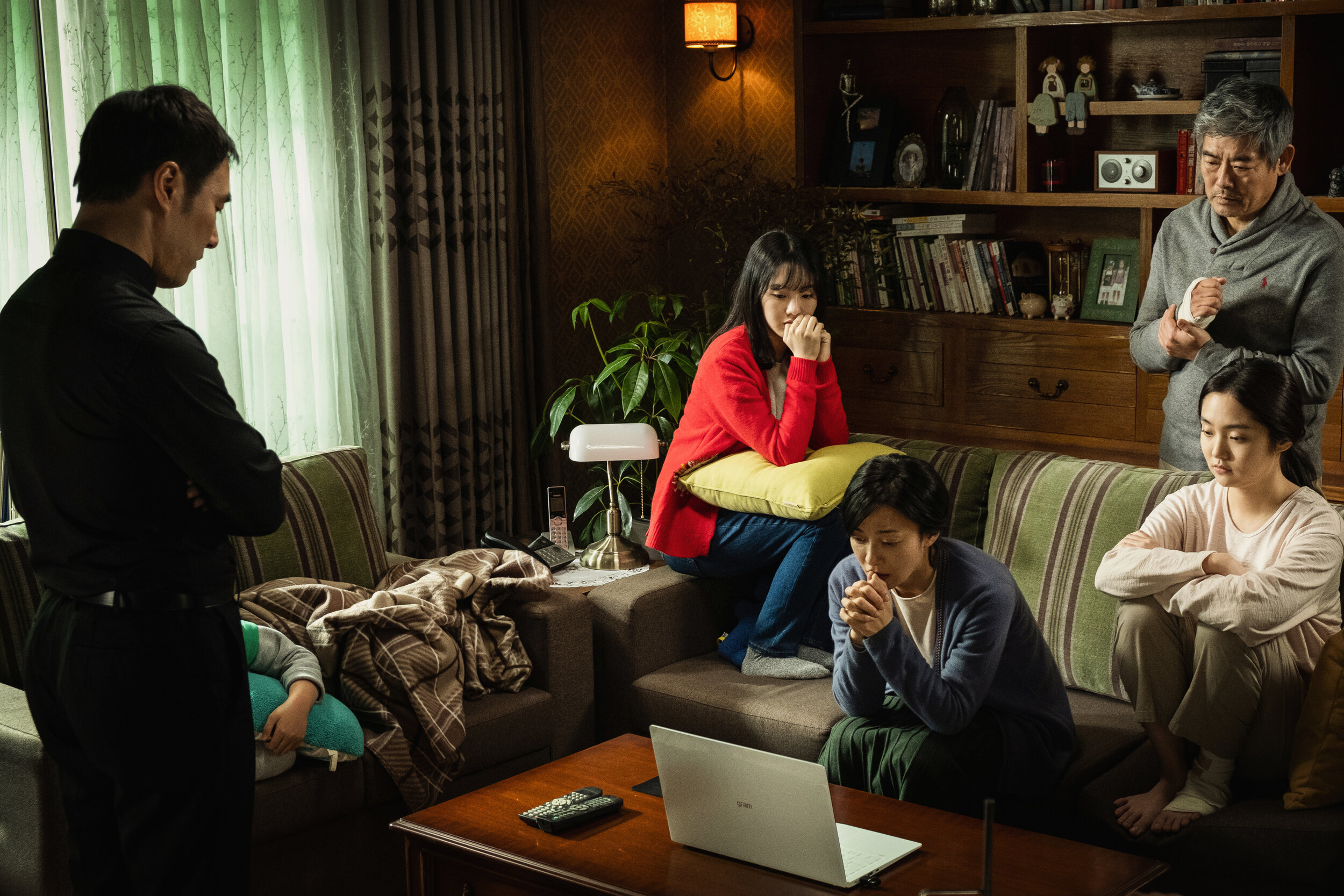
masai-land-rover.com – Metamorphosis (변신; Byeonshin) is a 2019 South Korean horror film directed by Kim Hong-sun. This terrifying film explores the devastating impact of demonic possession on a family, turning the familiar and comforting space of the home into a battleground for survival. Metamorphosis distinguishes itself by focusing on the psychological and emotional toll of possession, rather than relying solely on jump scares.

A Family Under Siege: The Arrival of a Demonic Entity

The story centers around a family: Gang-gu (Sung Dong-il), a Catholic priest struggling with his faith; his wife, Myung-joo (Jang Young-nam); and their three children. Their peaceful life is shattered when a demonic entity begins to torment them. The demon doesn’t simply possess one individual; it possesses different family members, using their bodies and mimicking their personalities to sow discord and terror within the family.

The Demon’s Tactics: Mimicry and Psychological Manipulation

The film’s core horror element lies in the demon’s ability Spaceman Slot to mimic the family members. This creates a constant sense of unease and mistrust, as no one can be certain who they are truly interacting with. The demon exploits the family’s vulnerabilities, using their deepest fears and insecurities against them. This psychological manipulation is far more disturbing than typical physical manifestations of demonic possession.

A Priest’s Struggle with Faith and Doubt

Gang-gu’s struggle with his faith forms a crucial part of the narrative. As a priest, he is expected to be a source of strength and comfort for his family. However, faced with this terrifying and inexplicable evil, his own faith is tested to its limits. His internal conflict adds another layer of depth to the story, exploring the themes of doubt, guilt, and the burden of responsibility.

The Breakdown of Familial Bonds

The demon’s presence causes a rapid deterioration of the family’s bonds. Trust erodes, and suspicion takes root as they are forced to confront the possibility that the person standing before them might be a demonic imposter. The film powerfully depicts the emotional devastation caused by this breakdown, highlighting the importance of family unity in the face of adversity.

A Tense and Emotionally Charged Horror Experience

Metamorphosis delivers a tense and emotionally charged horror experience. The film effectively builds suspense through its atmosphere, its use of sound design, and the unsettling performances of the actors as they portray both their human characters and their demonic counterparts. The focus on psychological horror and the emotional impact on the family makes it a truly disturbing and memorable film.

Your Name.: A Celestial Tale of Connection and Memory

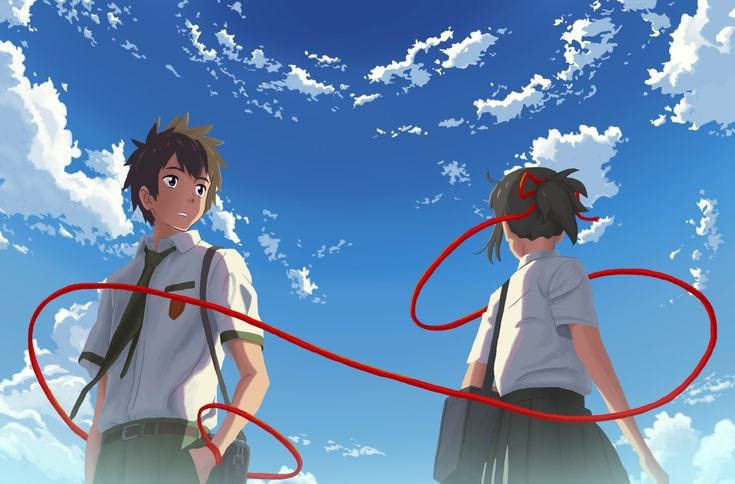
masai-land-rover.comYour Name. (君の名は。 Kimi no Na wa.) is a 2016 Japanese animated romantic fantasy film written and directed by Makoto Shinkai. It tells the story of two high school students, Taki Tachibana, a boy living in Tokyo, and Mitsuha Miyamizu, a girl living in the rural town of Itomori, who inexplicably begin swapping bodies intermittently.   

A Mysterious Body Swap

The story begins with Taki and Mitsuha experiencing strange dreams where they find themselves living each other’s lives. Taki wakes up as Mitsuha, navigating the customs of a rural town and attending school with her friends, while Mitsuha wakes up as Taki, living in the bustling city of Tokyo and working part-time at an Italian restaurant.

Initially confused and disoriented, they eventually realize they are swapping bodies and begin to communicate with each other by leaving notes on their phones, calendars, and even on each other’s hands. They establish rules for each other to follow while in the other’s body, trying to maintain some semblance of normalcy.

A Deepening Connection and a Catastrophe

As Taki and Mitsuha continue to swap, they develop a deep connection and begin to understand each other’s lives and struggles. Mitsuha dreams of escaping her small-town life and living in Tokyo, while Taki is trying to find his place in the world.   

However, their unusual connection takes a dramatic turn when the body swapping suddenly stops. Taki, feeling a sense of loss and driven by an inexplicable urge, decides to travel to Itomori to find Mitsuha. He discovers that a comet had struck the town three years prior, devastating it and causing numerous casualties.   

A Race Against Time and Memory

Taki’s journey becomes a race against time as he attempts to find a way to warn Mitsuha and the people of Itomori about the impending disaster. He discovers that the body swapping was not merely a strange phenomenon but a connection across time, linked to the comet’s appearance.

Through a series of events involving the local shrine and traditional rituals, Taki manages to briefly reconnect with Mitsuha in the past, giving her a chance to save the town. However, their memories of each other begin to fade after their encounter.

A Poignant Exploration of Fate and Connection

Your Name. is a visually stunning and emotionally resonant film that explores themes of fate, connection, memory, and the power of human relationships. It beautifully portrays the longing for connection and the impact that even brief encounters can have on our lives.

The film’s animation is breathtaking, with detailed backgrounds, vibrant colors, and stunning depictions of the comet and the Japanese landscapes. Radwimps’s musical score perfectly complements the film’s emotional tone and enhances the overall viewing experience.

A Modern Classic

Your Name. became a massive commercial and critical success, both in Japan and internationally. It is considered one of Makoto Shinkai’s best works and a modern classic in the world of animation. Its compelling story, beautiful visuals, and emotional depth have resonated with audiences worldwide, solidifying its place as a beloved and influential film.

The Go-Between: A Haunting Tale of Youth & Innocence Lost

masai-land-rover.com The Go-Between is a 1971 British drama film directed by Joseph Losey, based on L. P. Hartley’s 1953 novel of the same name. Set in Edwardian England, the film tells the story of Leo Colston, a young boy who becomes entangled in a forbidden love affair between his childhood friend Marian and the older, aristocratic Lord Trimingham.

A Coming-of-Age Story with a Tragic Twist

The film explores the themes of innocence, desire, and the consequences of youthful indiscretion. Leo, a sensitive and intelligent boy, becomes a go-between for Marian and Lord Trimingham, unwittingly setting in motion a chain of events that will have a profound impact on all three lives.

The Go-Between is a beautifully crafted film that captures the atmosphere of Edwardian England with stunning visuals and meticulous attention to detail. The film’s lush cinematography, elegant costumes, and evocative score create a sense of nostalgia and longing.

A Powerful Performance by Alan Bates

Alan Bates delivers a powerful performance as Lord Trimingham, a complex and tragic figure. His portrayal of a man consumed by desire and regret is both mesmerizing and heartbreaking. Julie Christie shines as Marian, a woman trapped in a loveless marriage who seeks solace in her affair with Lord Trimingham.

The young actor Dominic Guard plays Leo Colston with sensitivity and maturity, capturing the character’s intelligence, innocence, and growing awareness of the adult world. His performance is particularly poignant in the film’s final scenes, as Leo comes to terms with the devastating consequences of his actions.

A Timeless Exploration of Love and Loss

The Go-Between is a timeless exploration of love, loss, and the passage of time. The film’s haunting and melancholic tone is perfectly captured by its evocative score and stunning cinematography. The film’s ending, in particular, is both tragic and cathartic, leaving a lasting impression on the viewer.

The Go-Between is a masterclass in filmmaking, a beautifully crafted and emotionally resonant film that continues to captivate audiences today. Its exploration of the complexities of human relationships and the fragility of innocence makes it a timeless classic.

The Princess Bride: A Tale of Adventure and True Love

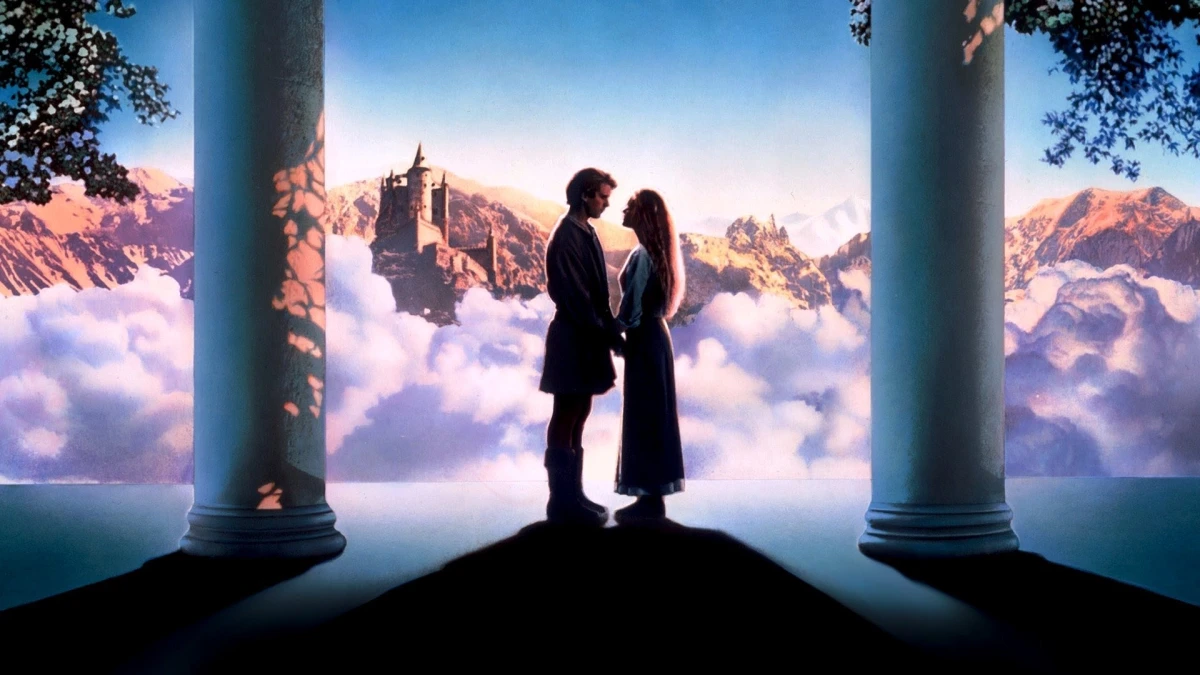
masai-land-rover.com – Released in 1987, “The Princess Bride” is a fantasy adventure film directed by Rob Reiner and based on William Goldman’s 1973 novel of the same name. With its blend of romance, comedy, and adventure, the film has become a cult classic, cherished by audiences of all ages.

Plot Summary

The story is framed as a fairy tale being read by a grandfather (played by Peter Falk) to his sick grandson (Fred Savage). The narrative follows Buttercup, a beautiful young woman, and her true love, Westley. When Westley is presumed dead, Buttercup is reluctantly betrothed to the evil Prince Humperdinck. However, Westley returns to rescue her, leading to a series of adventures involving sword fights, giants, and cunning schemes.

Key Themes

  1. True Love: At its heart, “The Princess Bride” is a story about the enduring power of true love, as embodied by Westley and Buttercup’s unwavering devotion to each other.
  2. Adventure and Heroism: The film celebrates classic adventure tropes, with daring rescues, epic battles, and heroic quests, all delivered with a comedic twist.
  3. Friendship and Loyalty: The bonds between characters like Inigo Montoya, Fezzik, and Westley highlight themes of loyalty and camaraderie, adding depth to the story’s adventures.

Iconic Characters and Quotes

  • Westley (The Man in Black): Known for his intelligence and bravery, Westley’s journey from farm boy to hero is central to the film’s narrative.
  • Inigo Montoya: A skilled swordsman on a quest for revenge, Inigo’s iconic line, “Hello, my name is Inigo Montoya. You killed my father. Prepare to die,” is a fan favorite.
  • Vizzini: The cunning yet comically inept villain, known for his overuse of the word “inconceivable.”

Cinematic Style

“The Princess Bride” is praised for its witty dialogue, memorable characters, and blend of genres. Its whimsical tone and clever script make it a unique cinematic experience that appeals to both children and adults.

Cultural Impact and Legacy

The film’s enduring popularity is reflected in its frequent references in popular culture, from TV shows to other films. It remains a beloved classic, with fans celebrating its humor, heart, and timeless storytelling.

Conclusion

“The Princess Bride” continues to enchant audiences with its perfect mix of romance, humor, and adventure. Its legacy as a beloved fairy tale for all ages is a testament to its enduring charm and universal appeal.